What family built in me.

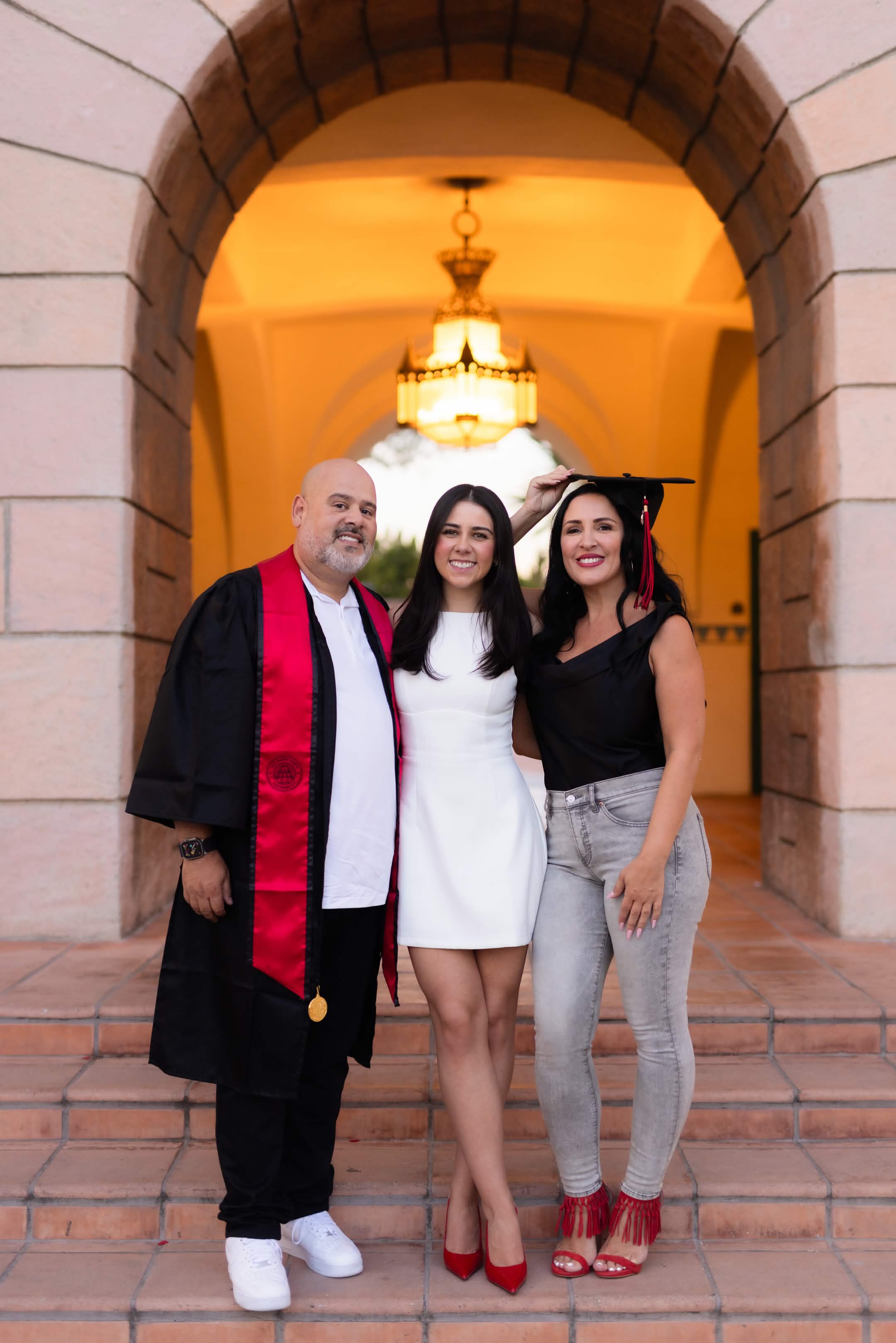
Family means everything to me.
Not in the casual way people say it when they need something sweet to put in a caption. I mean it in the way that explains almost every part of who I am. The way I work. The way I care. The way I keep going even when I am tired.
I am a first-generation Latina, and I carry that with pride.
My parents were young single parents who gave me everything they had, even when everything was not much. My mom came here as an immigrant and had to learn how to build a life in a place that did not always make it easy. My dad grew up in a tough environment without his father, with a mother who was not always present, and had to figure out how to become the kind of person he needed when he was younger.
They both came from circumstances that could have hardened them.
Instead, they became my foundation.
I come from sacrifice, from survival, from people who made a way before they had one.
Growing up, I did not always understand the weight of what they were carrying. I just knew they showed up. They worked. They worried. They stretched every dollar. They made hard choices quietly, the kind kids do not notice until they become old enough to realize love was in all the things their parents went without.
Now I see it differently.
I see the late nights. The pressure. The fear they probably never wanted me to feel. I see how much they had to sacrifice so I could have options they had to fight for.
That is my motivation.
When I think about my future, I do not only think about myself. I think about them. I think about making their sacrifices mean something. I think about becoming proof that everything they poured into me did not go to waste.
Family is the reason I push harder. It is the reason I care so deeply. It is the reason I want to build a life that feels stable, full, and free.
Because I know where I come from.
And because of them, I know where I am going.
What soccer remembers.

Soccer always makes me think of my grandfather.
He was the one who taught me how to play. Before I understood formations, footwork, or what it meant to read the field, I understood him. His voice. His patience. The way he would show me something once, then let me try it myself.
I played for 16 years, but in a way, the game started with him.
Since he passed, soccer feels different. It is still familiar, but softer around the edges. A field is not just a field anymore. A ball is not just a ball. Even the sound of a game playing in the background can bring me back to being young again, learning from someone I loved.
He taught me the game before I knew it would become one of the ways I remembered him.
For a long time, soccer was part of my routine. Practices, games, tournaments, long drives, sore legs, muddy cleats, and weekends built around the schedule. It shaped so much of who I became, even before I knew it was doing that.
It taught me discipline. It taught me how to keep going when I was tired. It taught me how to be part of something bigger than myself.
But he gave me the beginning.
I think that is why soccer still feels tied to him. Because every pass, every run, every instinct I built over those 16 years traces back to the person who first put the game in front of me and made it feel possible.
Now, when I think about soccer, I do not only think about the years I played. I think about him. I think about the first lessons. The quiet encouragement. The kind of love that teaches you something and stays with you long after the lesson is over.
He passed away, but soccer still feels like one of the places I can find him.
Mate and memory.

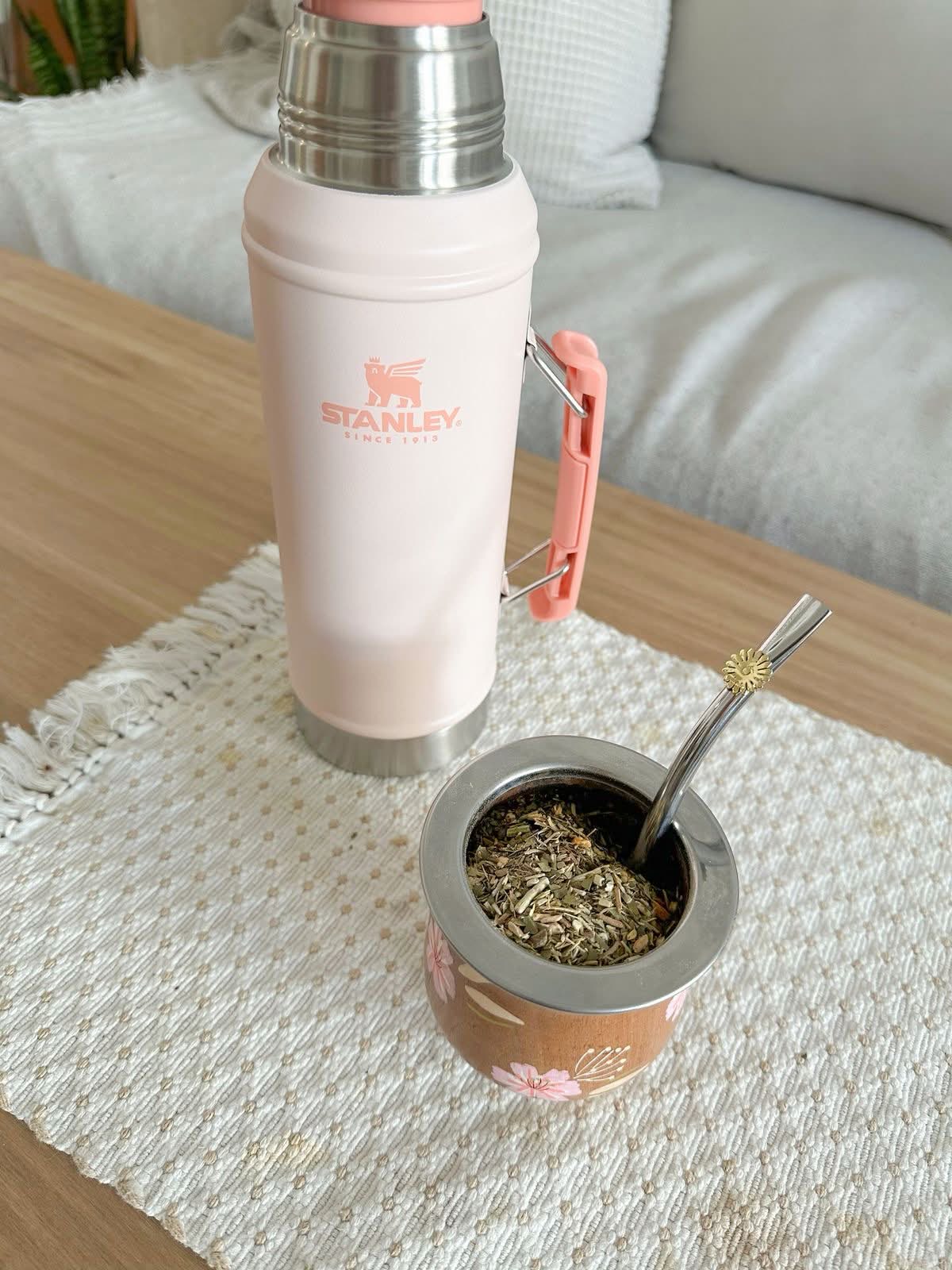
My grandmother is originally from Argentina, and she introduced me to mate before I really understood what it was.
At first, it was just a drink. A small ritual. The cup, the straw, the warm water, the earthy taste I had to grow into. She would prepare it like it was second nature, like her hands knew the order before her mind even had to think about it.
A gourd, a bombilla, warm water, and a story I did not know I was saving.
We used to drink it together slowly. Not because we had nowhere to be, but because mate asks you to sit for a second. To pass it back. To talk. To listen. To be present without making a big announcement about it.
Now, every time I drink it, I think of her.
I think about how some people leave parts of themselves in the smallest routines. A recipe. A phrase. A song. The way they cut fruit. The way they make coffee. The way they hand you a drink and suddenly a regular afternoon becomes something you remember years later.
Mate does not taste the same without her, but maybe that is the point. It carries her with it.
And every time I make it, I feel like I am reaching for more than a drink. I am reaching for a moment with her. One more quiet conversation. One more reminder that love can live in the things we repeat.
What Kim Kardashian built with SKIMS.

SKIMS is more than a clothing brand. It is proof of how powerful a clear vision can become when it is backed by smart business decisions.
What I admire about Kim Kardashian is the way she understands attention, branding, and timing. She knows how to take a simple idea and turn it into something people want to talk about, wear, and be part of. With SKIMS, she did not just create shapewear. She rebuilt the way people think about basics, comfort, and confidence.
The brand works because it feels specific. The neutral colors, clean campaigns, inclusive sizing, and polished visuals all connect back to one clear identity. Nothing feels random. Every product launch feels intentional.
A great businesswoman does not just follow culture. She knows how to shape it.
Kim has always understood how to build a world around a brand. SKIMS feels modern, practical, and aspirational at the same time. It makes everyday pieces feel elevated, and it turns something as simple as a bodysuit or lounge set into part of a lifestyle.
That is what makes her such a strong businesswoman. She understands the customer. She understands how people want to feel. She knows how to create demand without making the brand feel forced.
SKIMS shows that great marketing is not only about being seen. It is about being remembered.
And Kim Kardashian has built a brand that people recognize instantly, trust consistently, and connect with emotionally.
Why rhode stands out.

Rhode feels like a brand that understands modern beauty.
It is not loud for the sake of being loud. It is clean, intentional, and easy to recognize. From the soft color palette to the minimal packaging to the “glazed” skin aesthetic, everything feels consistent. That is what makes the brand feel bigger than just products.
It sells a feeling.
Rhode makes skincare feel simple, polished, and personal. The brand does not try to overwhelm people with too much. It focuses on a clear look, a clear message, and a clear lifestyle that people want to be part of.
Some brands sell products. The best ones sell a world people can see themselves in.
That is what I admire about rhode from a marketing perspective. It knows its audience. It understands how beauty, identity, and social media all connect. Every launch, campaign, and product moment feels designed to be shared, saved, and talked about.
The branding is soft, but the strategy is strong.
Rhode shows how powerful it can be when a brand has a clear point of view. It does not need to explain itself too much because the visuals, tone, and product experience all speak the same language.
To me, that is what great marketing does.
It creates recognition. It builds trust. It turns a simple product into something people feel connected to.
A note on retention.
I spent the morning trying to make sense of a CPA spike that looked like a problem at first glance. For three days, it pulled me into dashboards, reports, attribution windows, and campaign notes. I almost rewrote a perfectly good campaign because the numbers made it feel like something was wrong.
The spike showed up on Monday. Cost per acquisition jumped across multiple channels, but nothing obvious had changed. No new campaign structure. No creative swaps. No landing page updates. Just a number moving in the wrong direction with no clear reason attached.
So I did what you do when the data starts acting strange. I pulled the raw reports, checked the platform dashboards, compared attribution windows, and looked for anything that could explain the shift.
Everything looked normal until it didn't.
The issue was not the campaign. It was the way the conversions were being counted.
When the data changes shape, ask whether the campaign moved or the ruler did.
By Wednesday, I was ready to move forward with a new creative test. The team had already prepared a few variations, and we were close to launching.
Then I caught it.
The spike was not only showing up in our primary attribution model. It was also appearing in our backup view-through window, which had quietly been extended from 7 days to 14 days.
That changed everything.
The CPA was not actually getting worse. We were just counting more conversions as paid that would have been considered organic under the old window. The campaign was still healthy. The measurement had shifted underneath it.
So I paused the creative test, kept the campaign running, and wrote a note to the team explaining what changed so we would not chase the wrong fix again.
This was one of those reminders that retention is not just about keeping users. Sometimes it is about keeping your patience long enough to understand what the numbers are really saying.